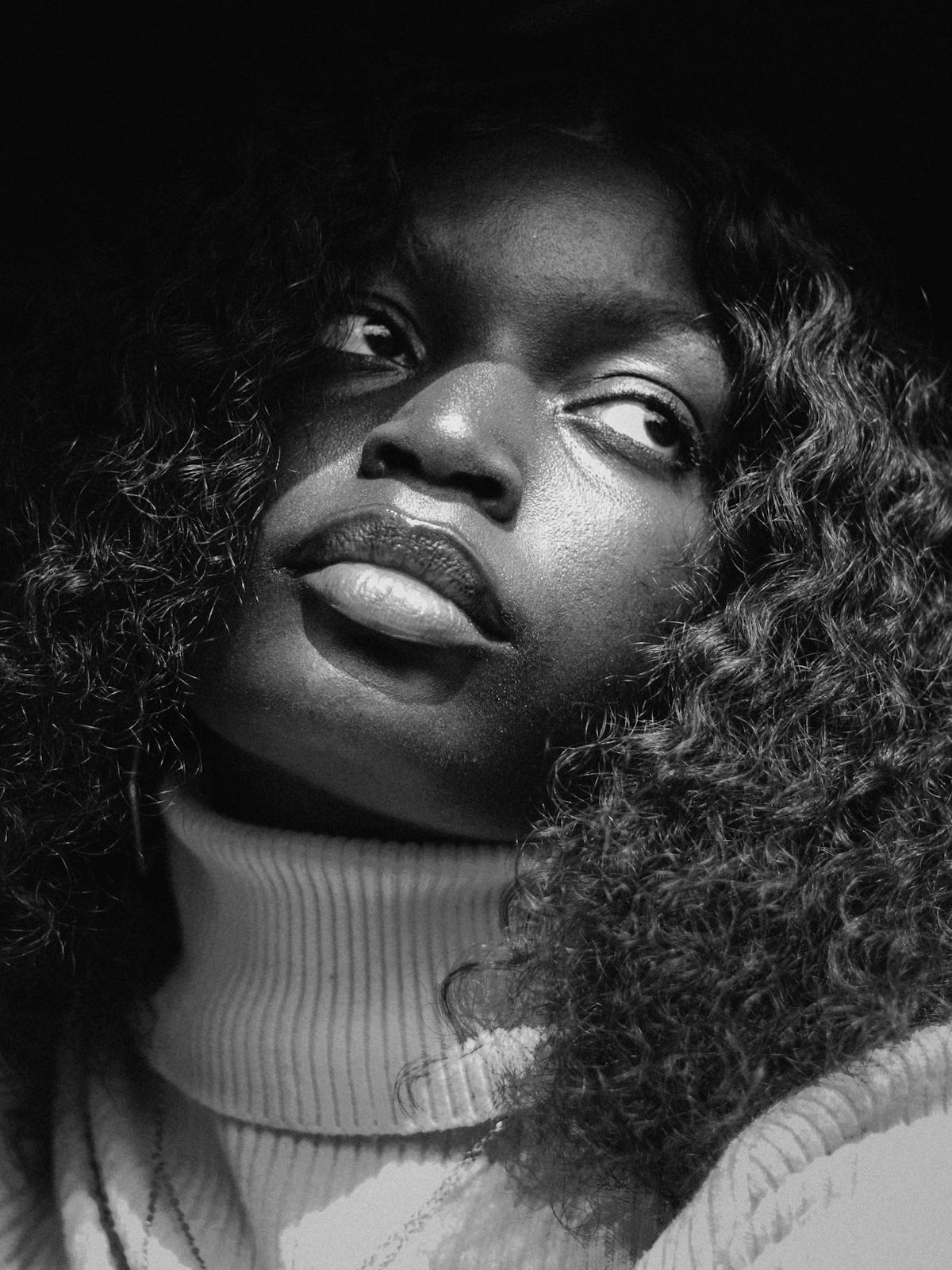
Two years after a debut novel that arrived to the kind of attention she now describes, carefully, as "too much, then too little, then a permanent middle distance," Lia Haverford is preparing to publish her second. She is thirty-one, currently splitting her year between Maine and a friend's couch in Queens, and ordering eggs she will not eat. The second book, she says, is the one she had to write three times to find.
You said the first book taught you a hard thing. What was it?
That the book is not me. People who like the book do not, technically, like me. People who hate it do not, technically, hate me. I knew that in theory. I did not know it in my body until I had to.
You wrote the second novel three times. Why?
Because the first two versions were not the book. One of them was a book about wanting to write a book. One of them was a book trying to prove I could write a different kind of book. The third one is just the book. Each previous draft was a person I had to stop being.
You stopped reading your reviews. Tell me about that morning.
I read a kind one, then an unkind one, then a third one that was just confused. I realised I was using all of them to decide whether to keep writing. That is the wrong reason to read. The right reason to read is to read. So I stopped.
Who are you reading now?
Old letters. Not famous ones — handwriting that is hard to follow, the kind people wrote when they had to. There is a confidence in them I cannot manage in my own work yet. They do not seem to think anyone is listening. I would like to learn how to write that way.
How do you handle the empty week?
I walk. I cook the same three meals on rotation. I do not start a new project. I would like to tell you I read poetry. Mostly I lie on the floor. The empty week is also the work.
What advice would you give a debut novelist a year before their book comes out?
Pick three people whose opinion you actually care about. Listen only to them. Everybody else means well, including the algorithm, including your mother. The three people are usually not who you think they are when you start. They will reveal themselves.